
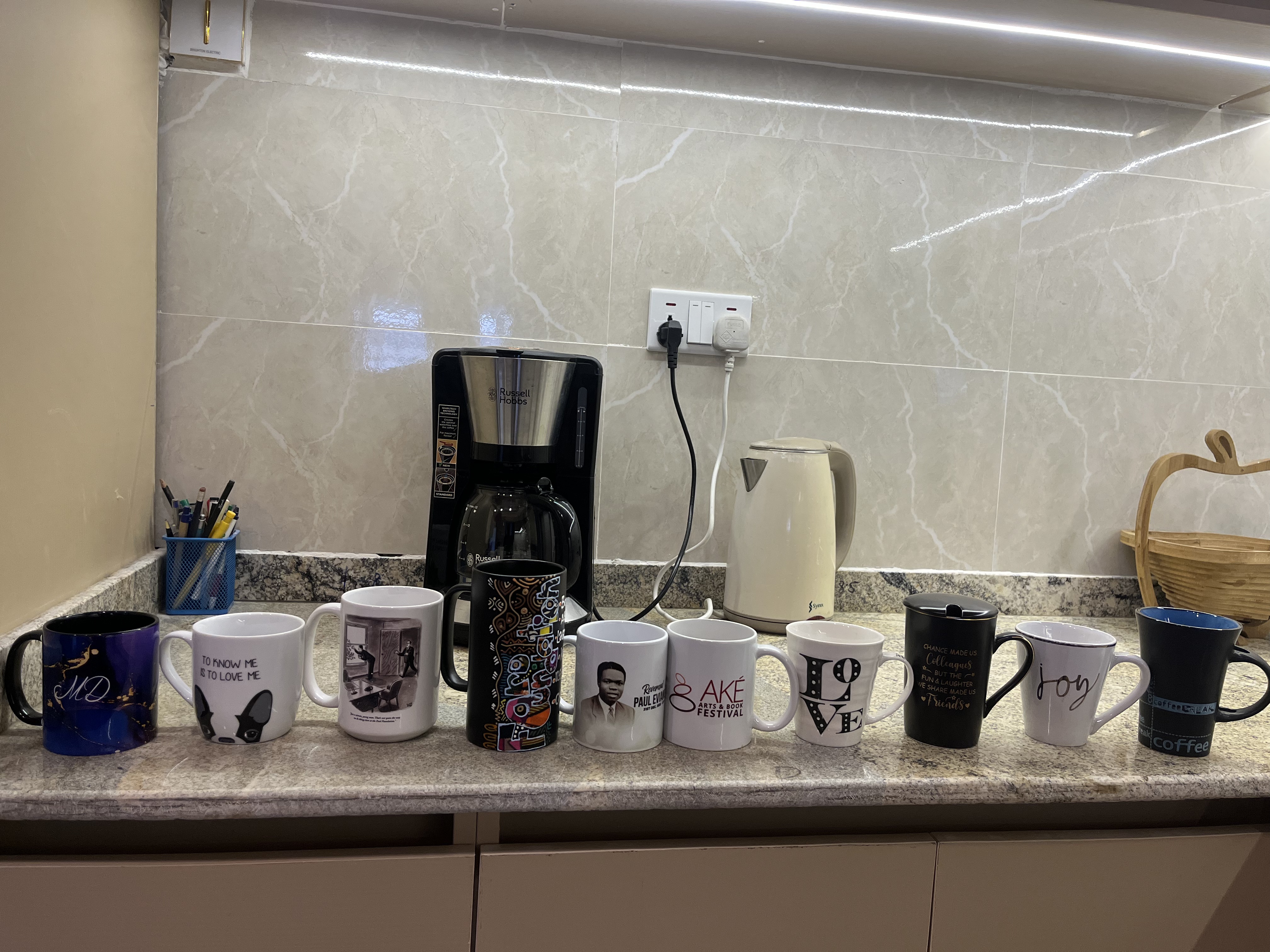
I moved to a new city and decided to count today as I was unpacking. I have about 50 mugs. Call it obsession and you’ll be right. Call it hoarding and you’ll probably be right. But it’s probably also none of these things. It’s just, something about mugs draws me to them.
I don’t know when this started. But for much of the past 15 years, I’ve had an unusual affinity for mugs. I have bought them at every opportunity, regularly go to the sections of supermarkets and stores where they’re stocked and I have asked for them to be given to me as presents, especially on birthdays.
Looking closely at these mugs, five themes emerge. I discuss each of them briefly below. Before this, I look back at mugs in history.
A little history
I was a little curious to understand the history of the mug in general and when it came to Africa. It appears there is no direct history of the handheld mugs as we know them now. However, drinking devices have been in existence since antiquity. According to this Wikipedia entry, the earliest generations of mugs were made between 6,500 and 3000 BCE. Those early mugs were made from pottery, and later wood. The invention of porcelain around 600 CE in China heralded the modern era mugs that are used today for hot liquids.
In Africa, various vessels made from clay, wood and ceramic, were used for drinking beer and other liquids in pre-colonial times. The ukhamba for example was used for serving beer in Southern Africa. Across dominant artistic traditions in Nigeria such as Yoruba, Nupe, Hausa and Igbo cultures the calabash was used for serving palmwine and other drinks. Traditional drinking vessels in the region did not require or have handles and were much larger in size.
If you’re as fascinated about this stuff as I am, you can start with the Wikipedia page.
What I learnt from looking closely at my mugs
As a memory holder: as I look at the collection, I noted that funerals, birthdays, weddings and other types of events use the mugs as gifts for guests. These events are mostly private but some are public, organised by public institutions or companies. In Nigerian parlance, these mugs are described as souvenirs, and are intended as a way to keep the event in people’s memories beyond their physical participation. I often personally wonder about the utility of these souvenirs considering their aggregate costs relative to their value to the recipients. Looking at these mugs now, perhaps they have some sentimental value as objects of memory.
As reward to self: I have severally bought mugs for myself as a reward for work done, tasks completed, and milestones reached. The symbolism of this became even more visible as I looked at the mugs and they brought back memories of people, places, and accomplishments and the moments when they took place.
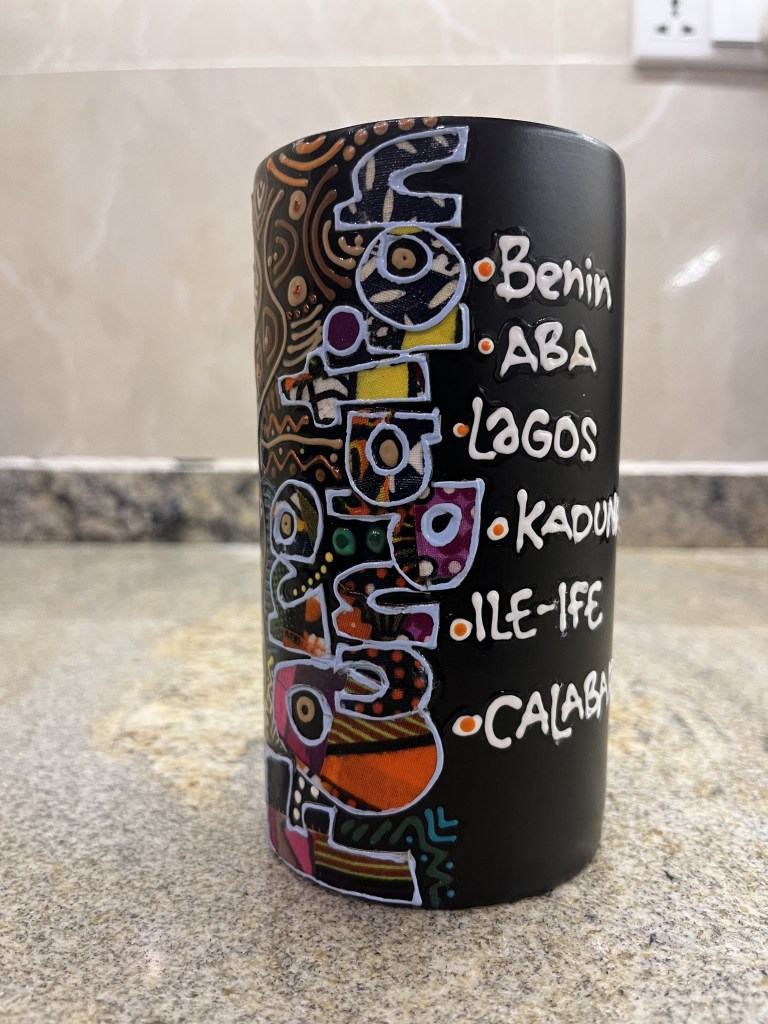
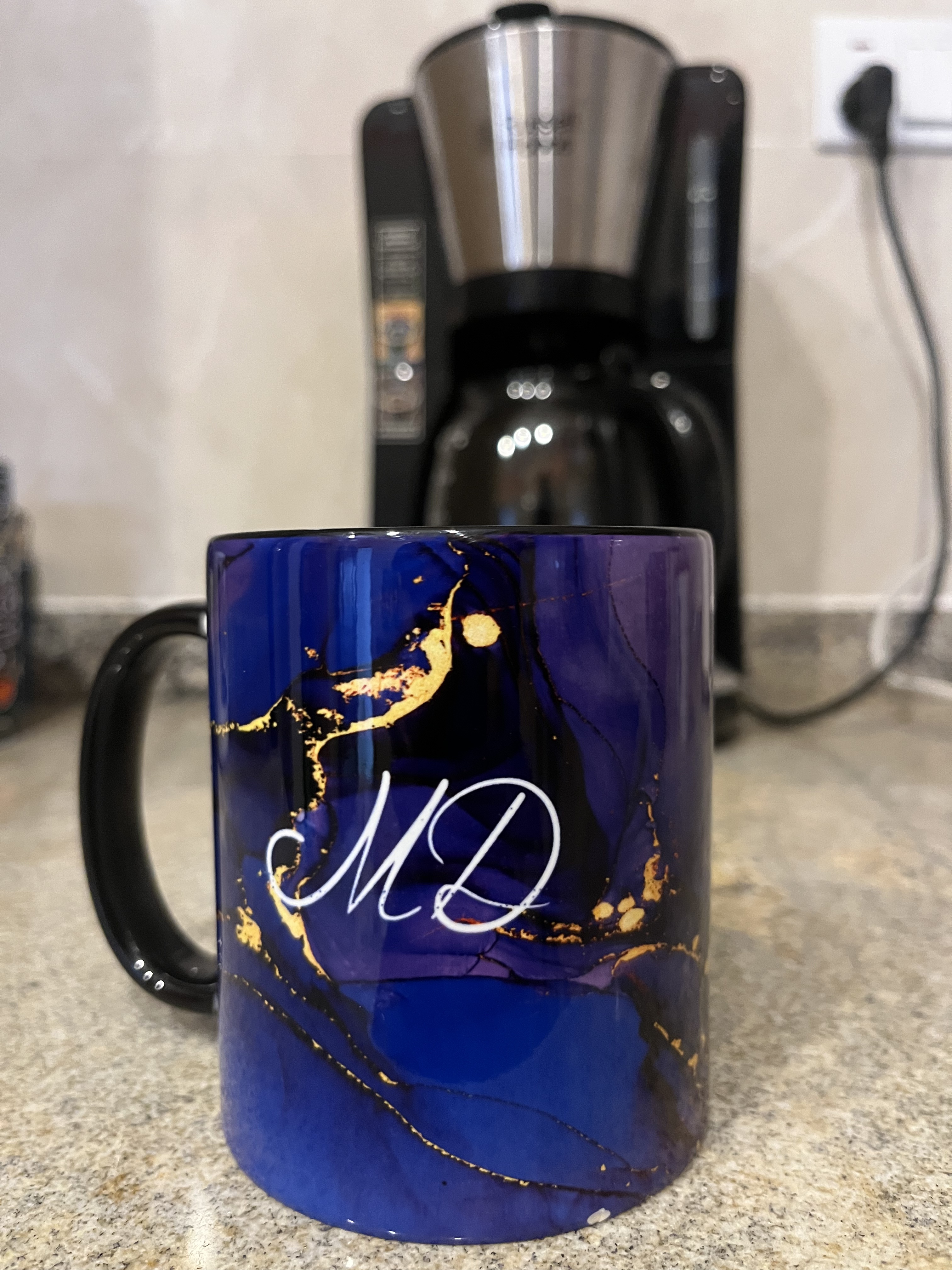
As Gift – I have received many mugs as gifts during birthdays and in appreciation of my role in processes I have been involved in. For example, I received a mug engraved with MD (Mac-Ikemenjima, Dabesaki) as a farewell gift from my former job. Looking at this mug reminds me not just of the farewell event but also all the office retreats at which MD was used as my nickname. These workshops transcend countries and several cities within Nigeria and the mugs symbolise all these places too.
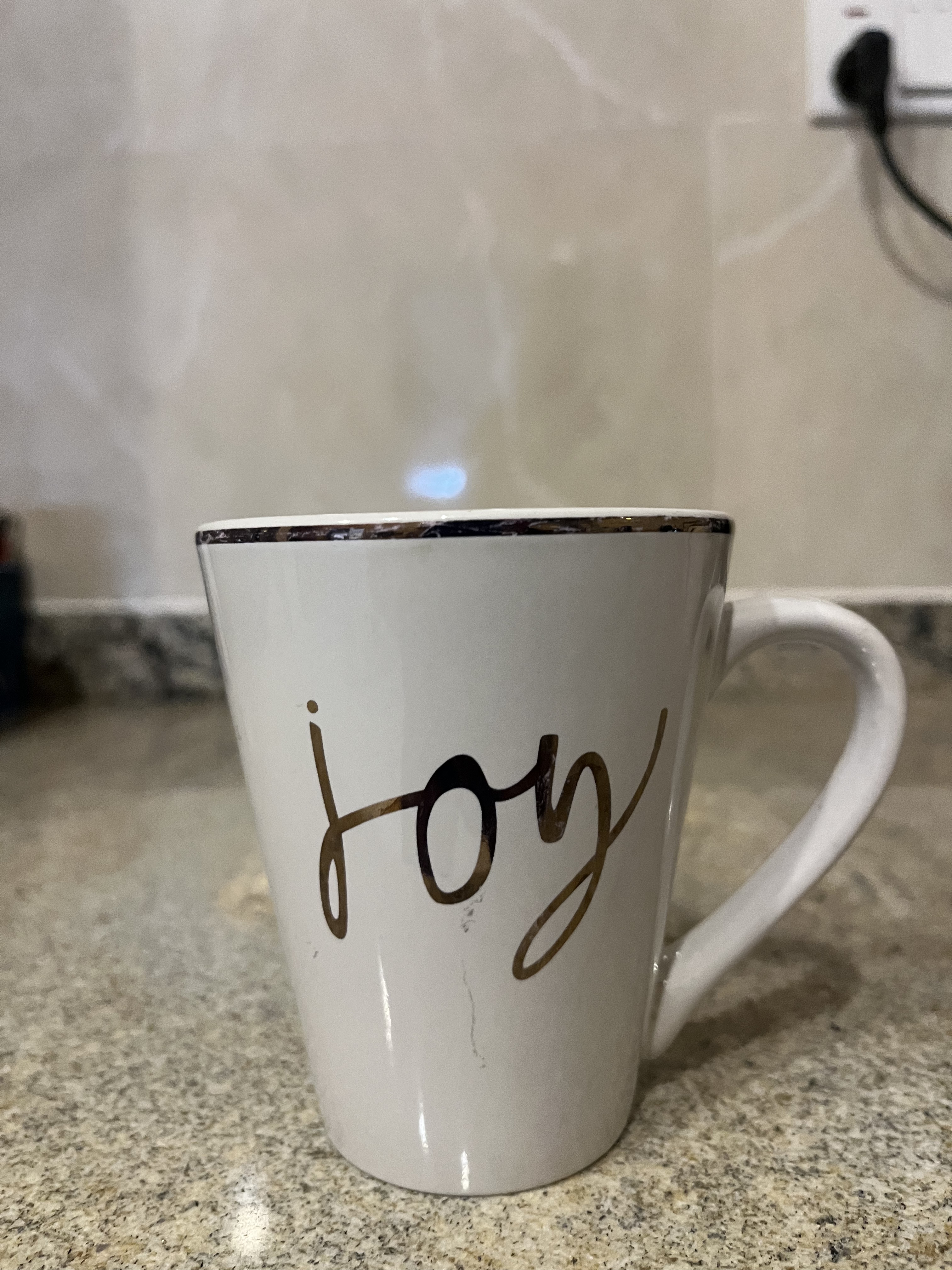
As a message medium – Perhaps the most prominent significance of the mugs is the inspiration that their inscriptions provide. I have often been drawn to this mug that simply had the word “joy”. For some reason, I have read this as “have joy in your life”. This function of the word joy is one that I think most people will agree with. The mug as a message medium. In this role, it serves a means to inspire, invite and encourage.
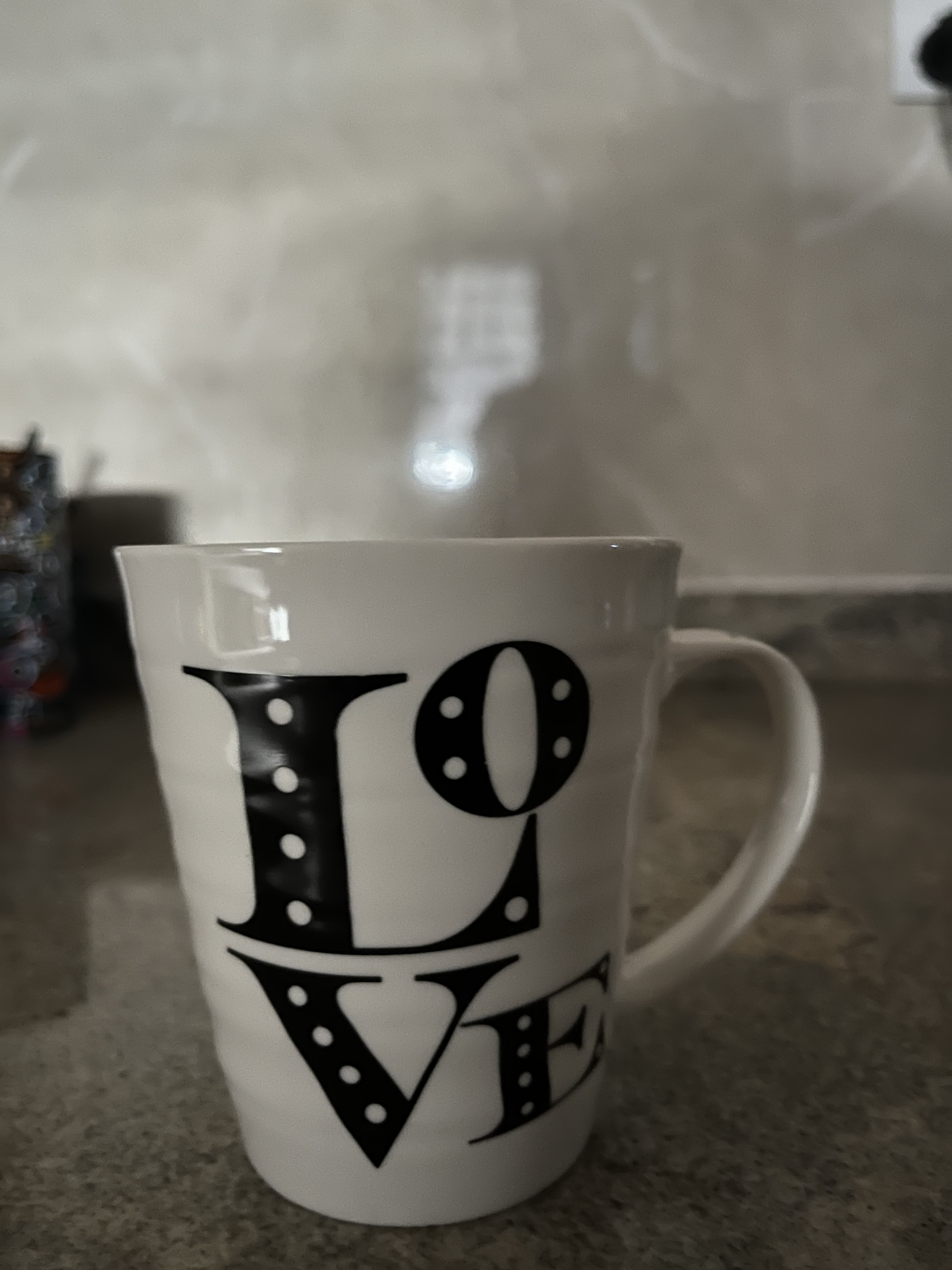
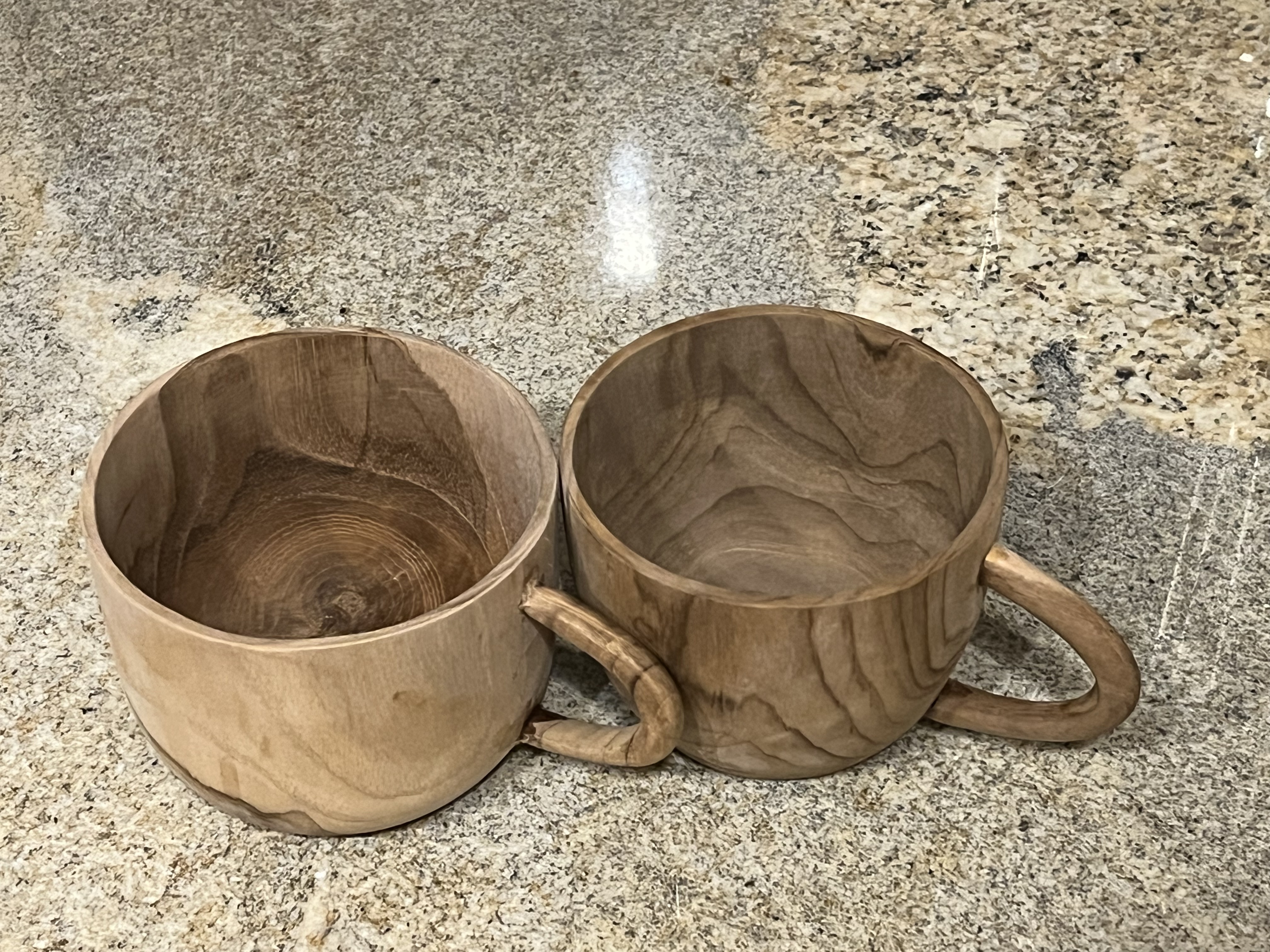
Sustainability – in an era of sustainability, wooden, and to some degree metal, mugs have an appeal. Wooden mugs, depending on how they are sourced and made, can be beneficial for the environment. They’re biodegradable, renewable, store carbon and can be repaired. Similarly, stainless steel mugs, while requiring high energy, can last relatively longer.
As I think about this more, I believe that there is a conversation to be had about mugs, the meanings they hold, and how much relevance they have for human health. There are many conversations about what types of beverages are healthy or not. Nigerian companies have begun taking the next step by exploiting the commercial value of mug-relevant beverages such as coffee. This company, Happy Coffee, for example, is creating a narrative around the social, emotional and communal value of coffee. What about the mug that holds the drinks?
In today’s world, the mug plays a role in creating community and connection. In past conversations about the mug, I have also noted that size matters. In several places, the size of a cup for drinking tea or coffee can be anywhere from small to medium to large, depending on the traditions. Since being in this city, I have seen these different variations. I know there are many people like me who don’t understand why a mug will be small.
If nothing else, mugs can have aesthetic function. As I think more and more about this issue, this is probably the one dimension I want to explore further.

